

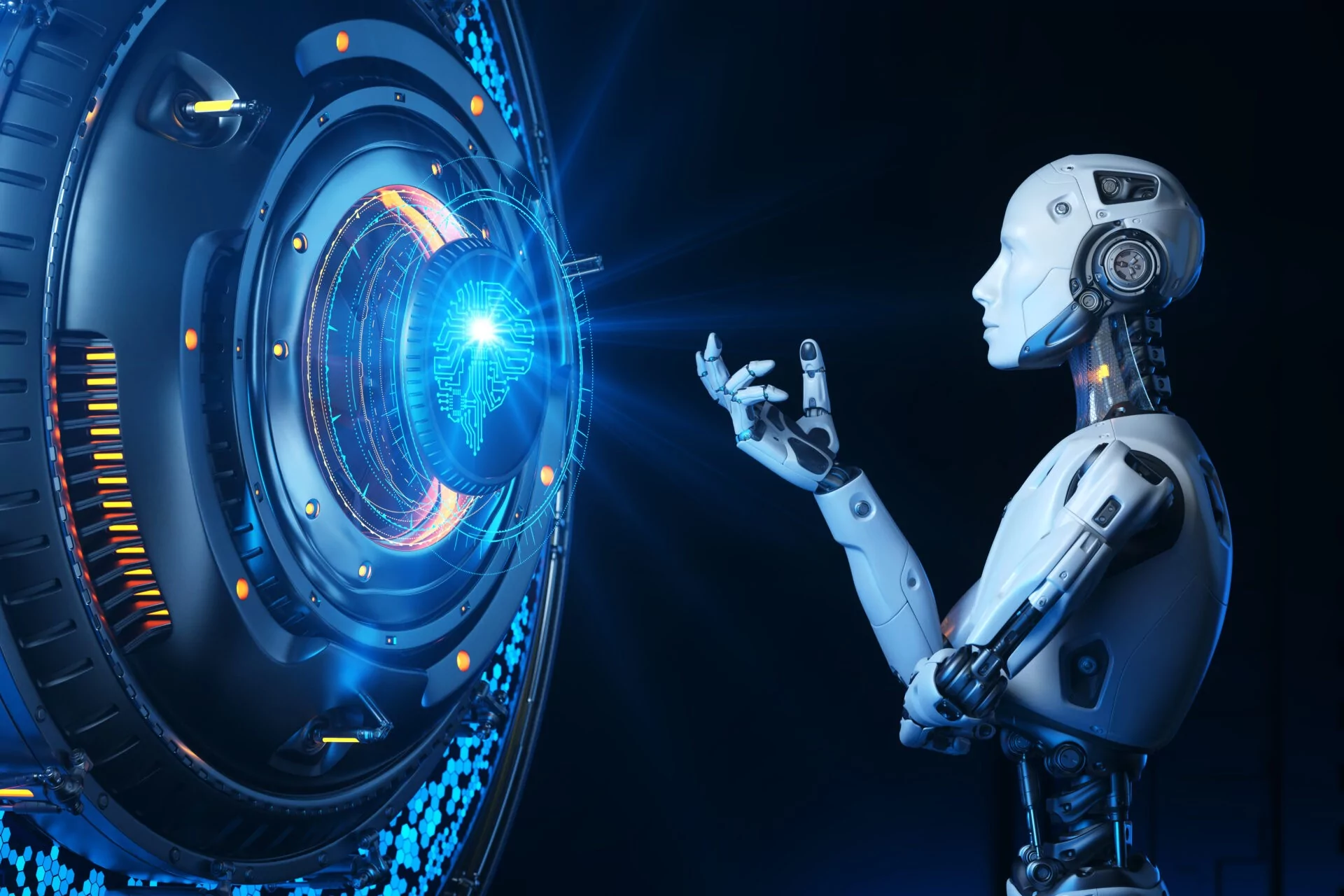
Artificial Intelligence has moved from being a futuristic concept to a core driver of modern technology. Today, AI powers search engines, smart devices, cybersecurity systems, and business automation. As technology continues to evolve, AI will play an even more critical role in shaping how digital systems learn, adapt, and interact with humans. The future of artificial intelligence in technology promises smarter automation, deeper personalization, and more ethical innovation. Understanding where AI is heading helps individuals, businesses, and developers prepare for upcoming changes. This article explores how AI will evolve, integrate with emerging technologies, and redefine the digital landscape in the years ahead.
Evolution of Artificial Intelligence
The evolution of artificial intelligence has been marked by rapid technological progress. Early AI systems relied on rule-based logic and predefined instructions. Over time, advancements in computing power, big data, and machine learning enabled AI systems to learn from experience rather than follow static rules. Deep learning and neural networks further accelerated this growth by allowing machines to recognize patterns, images, speech, and language with high accuracy.
In the future, AI will become more adaptive, context-aware, and capable of reasoning. Self-learning models will continuously improve without frequent human intervention. This evolution will allow AI to handle complex, real-world problems more efficiently. As AI systems mature, they will move closer to human-like intelligence while still operating as tools designed to support and enhance human decision-making rather than replace it.
AI Integration Across Technologies
AI is no longer a standalone technology; it is deeply integrated into modern digital systems. In the future, AI will seamlessly work alongside cloud computing, Internet of Things (IoT), robotics, and smart hardware. Software platforms will use AI to optimize performance, predict failures, and personalize user experiences. In hardware, AI chips and processors will enable faster and more efficient on-device intelligence. Smart ecosystems will emerge where AI connects devices, data, and services into unified systems.
For example, AI-powered smart cities will manage traffic, energy usage, and public safety in real time. This deep integration will make technology more responsive, efficient, and autonomous. As AI becomes embedded across platforms, users may not even notice its presence—but will benefit from smarter, more intuitive digital experiences.
Generative AI and Creative Technologies
Generative AI is transforming creative industries by producing text, images, music, video, and even software code. In the future, these tools will become more advanced, offering highly personalized and context-aware outputs. Designers, writers, developers, and marketers will use generative AI as a creative partner rather than a replacement. AI will assist in brainstorming ideas, refining content, and accelerating production workflows.
Creative technologies powered by AI will lower entry barriers, allowing more people to express ideas without advanced technical skills. However, challenges related to originality, copyright, and misinformation will require ethical frameworks and regulation. The future of generative AI lies in collaboration—where human creativity guides AI capabilities to produce meaningful and responsible digital content.
AI-Driven Automation and Productivity
AI-driven automation will redefine productivity across industries. Future AI systems will handle not only repetitive tasks but also complex workflows that require decision-making. Businesses will use AI to automate customer support, data analysis, supply chain management, and financial operations. This will reduce errors, save time, and improve efficiency.
Employees will be able to focus on strategic thinking, creativity, and innovation rather than routine tasks. However, automation will also require workforce adaptation and reskilling. Organizations that invest in AI training will benefit most from increased productivity. Rather than eliminating jobs, AI-driven automation will reshape roles and create new opportunities. In the long run, AI will act as a productivity multiplier, helping organizations achieve more with fewer resources.
Artificial Intelligence in Cybersecurity
As cyber threats become more sophisticated, AI will play a vital role in cybersecurity. Future AI systems will detect threats in real time by analyzing network behavior and identifying anomalies. Machine learning models will predict attacks before they occur and automatically respond to security incidents. AI will help organizations defend against phishing, malware, ransomware, and data breaches more effectively than traditional methods.
At the same time, cybercriminals may also use AI to launch smarter attacks, creating an ongoing security battle. This makes continuous AI innovation essential. In the future, cybersecurity will rely heavily on AI-powered defense systems that adapt and learn from emerging threats. AI will become a cornerstone of digital trust and data protection.
AI in Data Analytics and Decision-Making
The future of AI in data analytics lies in real-time insights and predictive intelligence. Instead of static reports, organizations will rely on AI systems that analyze data continuously and recommend actions instantly. AI will identify hidden patterns, forecast trends, and support smarter decision-making. This will benefit industries such as finance, healthcare, marketing, and logistics.
Small businesses will also gain access to advanced analytics through AI-powered tools. However, human oversight will remain important to ensure ethical and accurate use of AI insights. The combination of human judgment and AI-driven analytics will lead to better outcomes. In the future, data-driven decision-making powered by AI will be a competitive necessity rather than an advantage.
Ethical, Responsible, and Explainable AI
As AI becomes more powerful, ethical and responsible development will be critical. Future AI systems must be transparent, fair, and accountable. Explainable AI will allow users to understand how decisions are made, reducing bias and increasing trust. Governments and organizations will introduce stricter regulations to ensure responsible AI usage. Data privacy, consent, and fairness will become central concerns.
Companies that prioritize ethical AI will gain public trust and long-term credibility. Responsible AI will not limit innovation but guide it in a sustainable direction. The future of AI depends not only on technological advancement but also on how responsibly it is developed and deployed across society.
AI in Healthcare and Human Enhancement
AI will significantly advance healthcare by enabling early diagnosis, personalized treatment, and continuous monitoring. Machine learning models will analyze medical data to detect diseases sooner and recommend tailored therapies. Wearable devices powered by AI will track health metrics in real time, improving preventive care. AI will also assist doctors with imaging analysis, surgery planning, and drug discovery.
Human enhancement technologies, such as brain-computer interfaces and smart prosthetics, may further improve quality of life. Despite these benefits, data security and ethical concerns must be addressed. In the future, AI will enhance healthcare professionals’ capabilities rather than replace them, leading to better patient outcomes and more efficient healthcare systems.
Future Workforce and AI Skills
AI will reshape the workforce by transforming job roles and skill requirements. Routine and repetitive tasks will increasingly be automated, while demand will grow for skills such as data analysis, AI management, and critical thinking. New careers related to AI ethics, governance, and system design will emerge. Continuous learning and reskilling will become essential for career growth.
Educational institutions and organizations will integrate AI literacy into training programs. Rather than causing widespread unemployment, AI will change how people work. The future workforce will rely on collaboration between humans and intelligent systems. Those who adapt and learn to work alongside AI will thrive in the evolving technological landscape.
AI in Everyday Life and Smart Environments
In the future, AI will become an invisible yet essential part of everyday life. Smart homes, cities, and devices will use AI to improve comfort, efficiency, and sustainability. Personalized education platforms will adapt learning paths based on individual needs. Entertainment and digital assistants will offer tailored experiences.
AI will manage energy usage, transportation systems, and public services in smart environments. As AI becomes more embedded, trust and transparency will be crucial. Users will expect AI systems to respect privacy and operate responsibly. The future will not be about noticing AI—it will be about benefiting from seamless, intelligent experiences in daily life.
Conclusion
The future of artificial intelligence in technology is defined by innovation, integration, and responsibility. AI will continue to evolve, transforming industries, improving productivity, enhancing security, and becoming deeply embedded in everyday life. While challenges such as ethics, privacy, and workforce adaptation remain, responsible development can unlock AI’s full potential. Those who understand and embrace AI’s future will be better prepared for a smarter, more connected world. Ultimately, AI’s success will depend not only on technological progress but on how effectively humans guide and collaborate with intelligent systems.
FAQs
What is the future of artificial intelligence in technology?
The future of AI in technology involves smarter automation, human-AI collaboration, and widespread adoption across industries like healthcare, finance, cybersecurity, and software development.
How will AI change technology in the next 10 years?
AI will drive faster innovation through autonomous systems, predictive analytics, personalized user experiences, and more efficient decision-making processes.
Will artificial intelligence replace human jobs in technology?
AI will automate repetitive tasks but also create new roles, requiring humans to focus on creativity, strategy, and advanced technical skills.